
Researchers believe that the health of our soil impacts emotions such as romantic love. But how does this work? We’ve broken down everything you need to know!

Here’s the lowdown from AusBiz
A team from Flinders University are testing whether microbes in the soil can impact human microbiota, influencing emotional states such as romantic love.
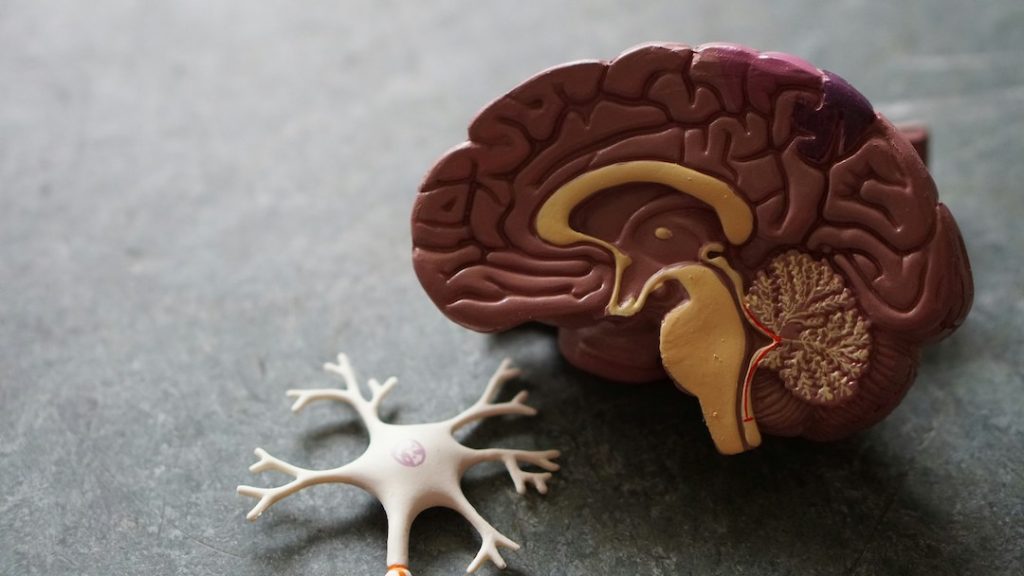
The review article proposes that the environments around us can change what’s known as the ‘gut-brain axis’ in our bodies. In other words, microbes in the gut shape hormones and key neurotransmitters in the brain, changing how we process emotions commonly associated with love.
Let’s get to the crux of the matter
The recent review article, published in mSystems: Microbial Ecology & Evolution, is only a hypothesis for now, but could have a real-world impact once further trials have been carried out.
Lead researchers began the project because they wanted to see if they could make a connection between soil health and emotional regulation. The theory centres around the human endocrine system, which is the group of glands that create and release hormones. These hormones then deliver messages to the body about mood, metabolism, growth, sexual development, sleep and stress.
Wondering which glands and organs belong to the endocrine system? Your thyroid gland, adrenal glands, pancreas and ovaries, just to name a few.
The researchers believe that the endocrine system is influenced by gut health, which is in turn influenced by environmental factors including soil health. The relationship between an individual’s gut microbiome and their endocrine system can alter love-associated emotions including lust, attraction and attachment.
This hypothesis has already been tested with animals, where scientists found that a particular soil microbe, Mycobacterium vaccae, shaped social bonding, sexual preferences, and stress-related behaviours, but there is limited information available on how this works in humans.
If the connection between these systems is confirmed in future studies, it could open the door to microbiome-centred strategies for mental health and wellbeing.
Previous research has found that healthy soil supports vegetation growth, improves air quality, buffers noise, and moderates temperature. These contribute to a stable environment which impacts our nervous, endocrine, and immune systems.
On the other hand, soil degradation can increase unhealthy airborne particles and restrict the air quality, resulting in a knock-on effect that possibly impacts mental wellbeing.
Meet a pro who can shed more light
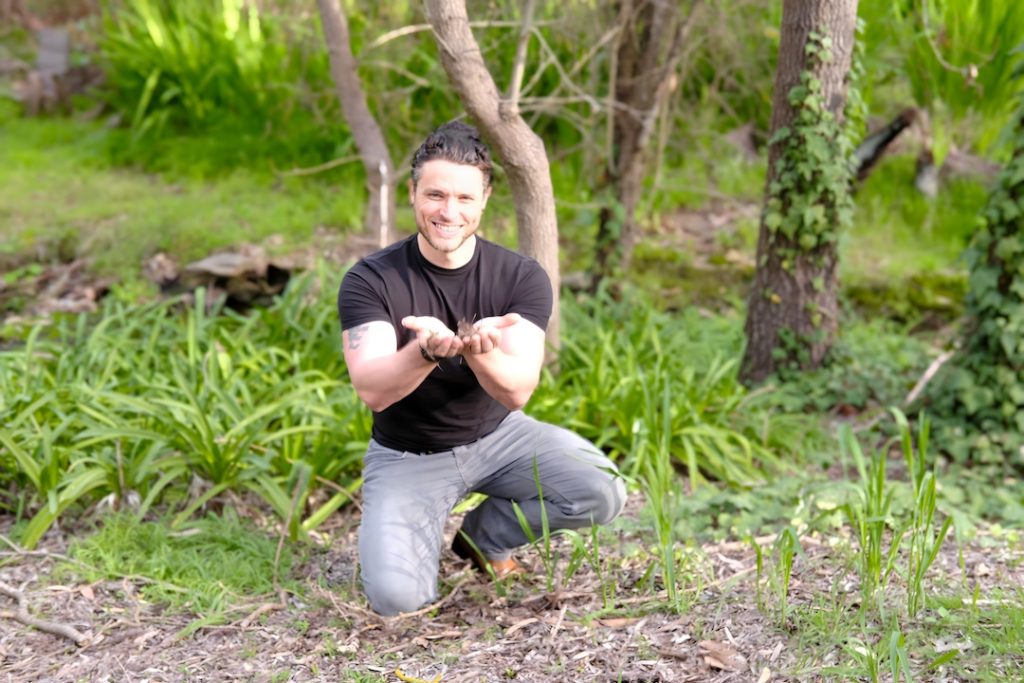
Dr Jake Robinson is a lead researcher from Flinders University College of Science and Engineering biology. He is also the author of several nature ecology books, including Invisible Friends and Treewilding.
We sat down with him to discuss this fascinating study, and learn more about why protecting soil health is so important.
Can you explain the influence of soil on human hormonal pathways?
Well, from a sensory perspective, soils support all the above-ground nature that we love.
For example, when we spend time in a forest, the diverse shapes, sounds and smells influence our endocrine and stress-regulation systems in our bodies. These systems also shape our gut microbiomes – the collection of microbes (bacteria, fungi, viruses) that play key roles in keeping us healthy. Our gut microbes, which come from our environments, influence the production and activity of our hormones (e.g., oxytocin, dopamine, serotonin, testosterone and oestrogens) and may therefore influence our emotions and behaviours.
How might soil impact areas of romantic love in humans?
This is an unanswered question, but a good one! One hypothesis is that our gut microbiome is colonised by soil microbes, especially if we’re in constant contact with healthy soils. Gut microbes influence hormones associated with romantic love, attachment, lust and attraction. Therefore, regular exposure to soils may shape emotions and behaviours associated with love.
From a bigger picture perspective, healthy soils provide healthy food plants, which help to maintain our physical and mental health. In turn, this influences aspects of our relationships. It’s all interconnected!
Why is it important to protect the health of our soil?
Between 55 and 99 percent of Earth’s species live in soil ecosystems. Soils are teeming with organisms that shape ecosystems, climate, and even human health. But, sadly, around 75 percent of global soils are currently affected by degradation, due to unsustainable agriculture, pollution, and erosion.
Our food systems and resources depend on healthy soils, so we need to be doing more to protect them.
Are there other avenues of soil research you are hoping to pursue in the future?
We are currently researching soil ecoacoustics and ‘sonic restoration’. This essentially means we use special audio equipment to listen to the metaphorical heartbeat of the soil (the vibrations emitted by soil organisms) to monitor the soil’s health. It’s like going to the doctors and having a stethoscope placed on your chest – we’re doing the same for soils.
We are also applying sound waves to soil microbes to help them grow, because fungi and bacteria respond positively to sound! We might be able to use certain sound waves to inhibit pathogenic species.
What do you hope the general public takes away from this research?
I hope they see that soils are vital for life on Earth. I’d also love for the public to gain an awareness of the soil, gut and mental health connection. More research needs to be completed, but the relationship between these three key biomes could have a major impact on mental health services and environmental protection work in the future.

Want to know more? Check out these FAQs
How do I keep my endocrine system healthy?
There are many ways to keep your endocrine system at its peak, including regular exercise, proper nutrition (with some treats for good measure), quality sleep, and avoiding smoking.
If your family has a history of endocrine system-related conditions, such as diabetes or thyroid disease, it’s a good idea to talk to your doctor. They can help you understand risks and symptoms to look out for.
Does this study mean I need to be spending more time in dirt?
Absolutely not! But staying connected to nature and getting outside will contribute to positive mental and physical health.
Where can I go for more information?
For the month of September, Dr Robinson and his team are running a free online event called Soil Yourself September, a series of seminars where experts discuss how soils influence our minds. Standout talks include how bacteria is connected to gut cells, the relationship between soil degradation and the global mental health crisis, and how to tackle food insecurity by treating soil health first.
There are lots of other resources available online too, including this extremely interesting video!
To read about how AI could prevent deadly food poisoning, click here.