
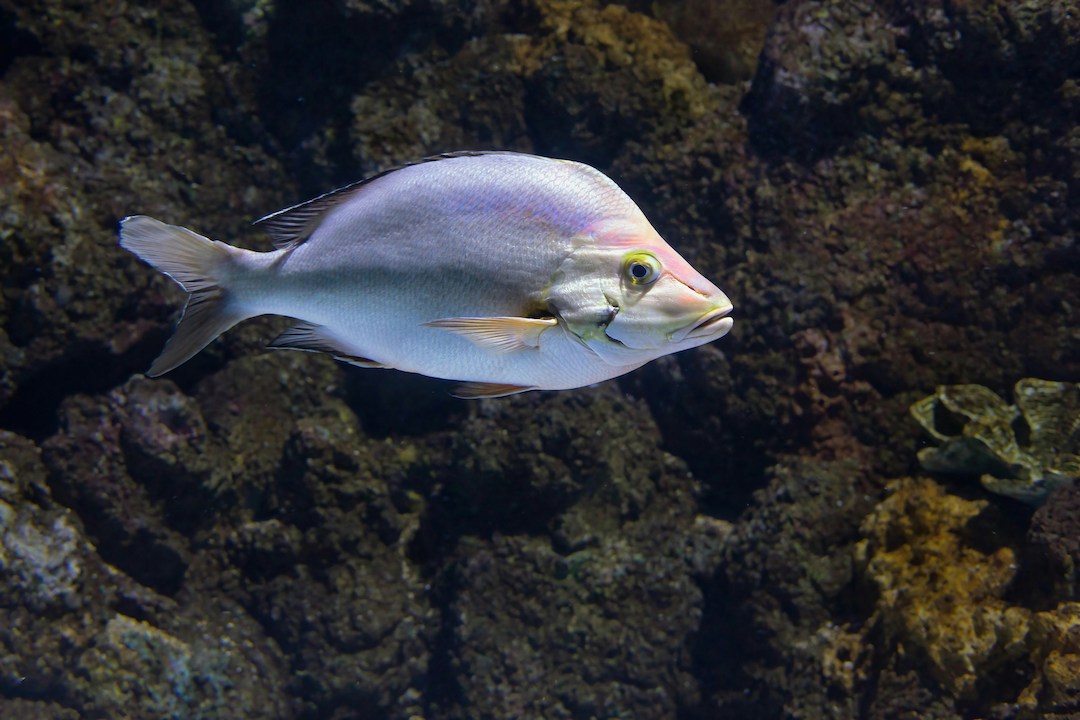
New genomic research is reshaping how scientists and fisheries management strategies understand snapper populations along the coast of South Australia.
Snappers support fisheries, local businesses, and regional tourism. They have traditionally been seen as a highly mobile species whose populations with broadly connected populations. However, a study led by Flinders University shows a more complex picture. While snapper are “highly connected,” they are not “fully interchangeable.” This has important implications for stock recovery and fisheries management.

Genomic findings and regional differences
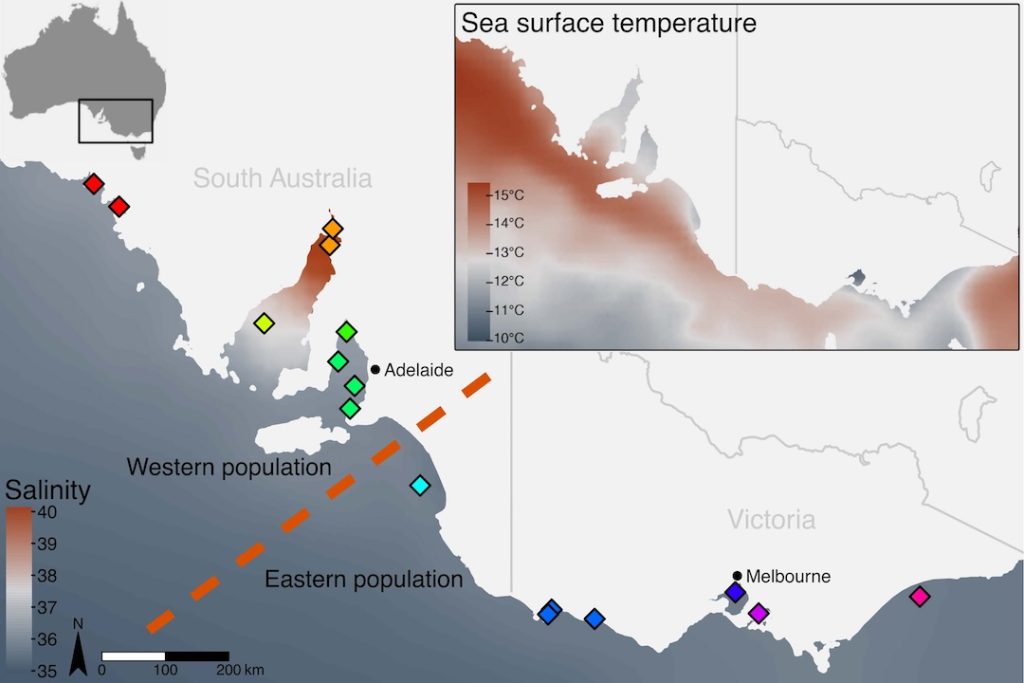
The research published in Molecular Ecology under the title Environmental Gradients Decouple Demographic and Adaptive Connectivity in a Highly Mobile Coastal Marine Species. It used genomic data from fish sampled on more than 1,5000 kilometers of coastline. The team identified two broad regional populations. Each showed strong internal connectivity. These findings are important for improving fisheries management approaches.
Environmental factors revealed a more detailed story. Genetic differences tied to local conditions such as variations in salinity and minimum sea surface temperature. These differences were especially clear in areas like Ceduna and northern Spencer Gulf. The “environment-linked parts of the genome” show that fish movement has limits. Fish may travel, but they do not always carry traits that succeed everywhere. This has direct implications for fisheries management decisions.
Movement vs. local adaptation
Dr Chris Brauer from the Molecular Energy Lab at Flinders University emphasized the distinction between movement and recruitment. He explains that “snapper are a great example of a species that are mobile and people often assume that means local populations are effectively the same. Fish can move, but that doesn’t automatically mean the traits that help them do well in local conditions enable them to establish everywhere.” However, movement does not guarantee successful establishment. Traits that work in one location may not work in another. This distinction is critical for effective fisheries management.
Implications for fisheries management and recovery
The study offers important insights for fisheries management and recovery. Prof. Luciano Beheregaray, director of the lab, explained that “recovery is not just about fish moving from regions where they are more abundant. It’s also about whether the right fish are surviving and reproducing in the right places.” Populations with locally beneficial traits are crucial for resilience. Losing these traits could weaken recovery efforts and long-term fisheries management success.
Adapting to environmental change
These findings are particularly relevant as coastal ecosystems face increasing environmental pressures, including harmful algal blooms and widespread marine life deaths in South Australia. The researchers recommend protecting key spawning and nursery areas, improving coordination across jurisdictions, and incorporating genomic monitoring into fisheries management practices.
As Dr. Brauer notes, “Historical patterns of connectivity may not be a reliable guide to future recovery in a changing ocean,” and considering both connectivity and local adaptation provides a clearer understanding of how snapper populations persist. By linking movement patterns with environmental adaptation, this research provides a more complete picture of snapper ecology and offers guidance for sustainable fisheries management in an era of rapid environmental change.
To read about how to save Nangur Spiny Skinks click here.